

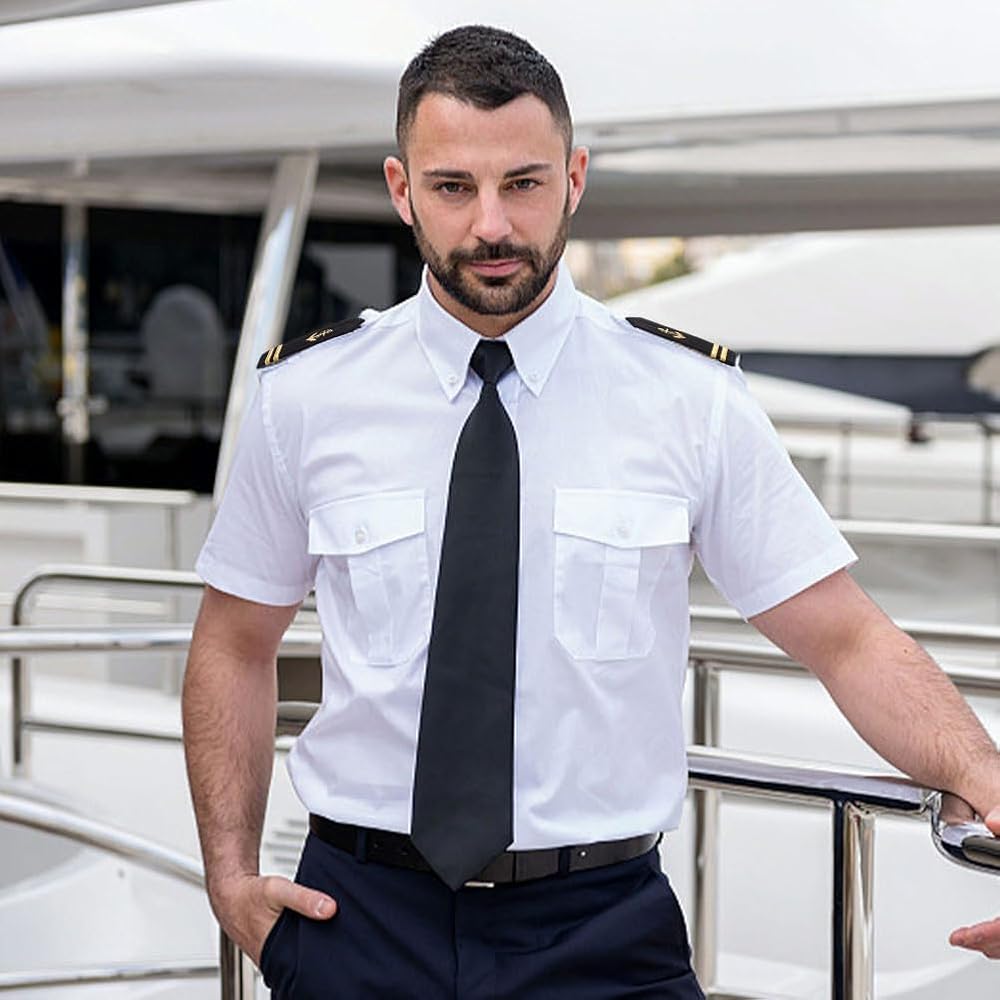
This discussion delves into the curious world of military uniform accoutrements. Both shoulder boards and epaulettes carry rich histories and subtle design distinctions. Read on for a detailed exploration, insightful historical context and clarifications about their modern-day usage. The friendly, informative perspective here keeps the tone relaxed, much like chatting with a fellow enthusiast in a cosy Australian café.
Historical Background and Evolution
The Origins of Epaulettes
Epaulettes have a long lineage reaching back centuries. Their design was heavily influenced by military pragmatism and the desire to signify rank and honour. The term itself comes from the French word “épaulette”, meaning “little shoulder”, which hints at their origin and function. Originally, epaulettes were a mark of distinction and authority, reflecting detailed craftsmanship in a time when uniform excellence was paramount.
Historically, epaulettes were not mere decorative items. Far from it, they signalled rank, rigour and reliability. Early military forces, particularly in Europe, adopted them to distinguish officers from other ranks. Their elegant appearance, often featuring fringes and a crescent-shaped base, made them a statement piece that blended form and function seamlessly.
Development of Shoulder Boards
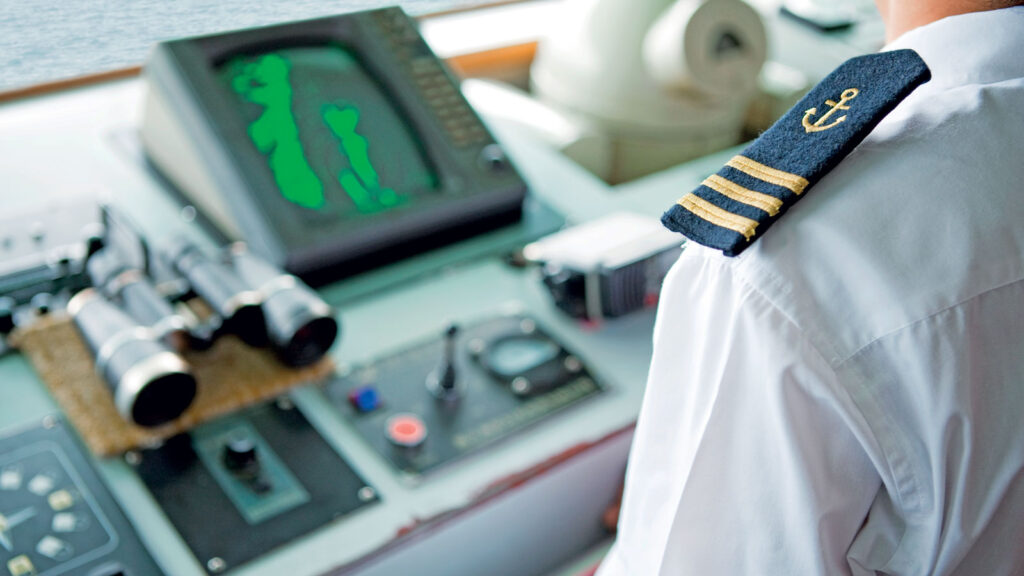
Shoulder boards, on the other hand, evolved from more utilitarian origins. They are flat cloth pieces attached to the shoulder strap of a uniform, primarily bearing rank or other insignia. In the early days of military regalia, simplicity was key for shoulder boards. Their design was refined over time to prioritise clear indication of authority, ensuring that rank was visible even at a glance.
The transition from intricate designs to a more straightforward, flat design is significant. Today, shoulder board are widely used for everyday service wear because of their clarity and ease of attachment. They exhibit a utilitarian aesthetic that speaks to a modern approach, yet they are firmly rooted in tradition.
Design and Structural Differences
Elaborate Detailing in Epaulettes
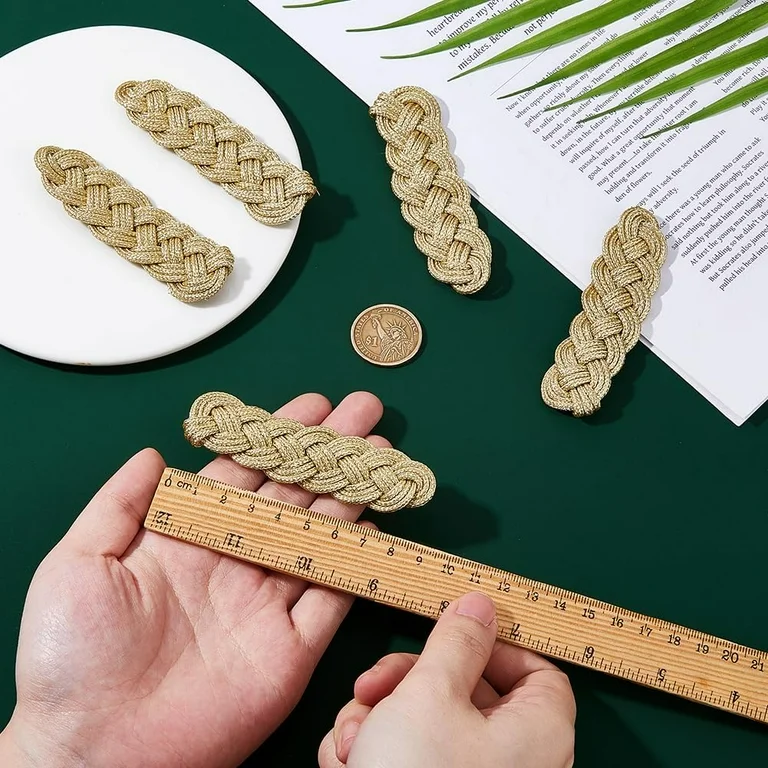
One striking aspect of epaulettes is their ornate design. They often come with added elements like fringes, intricate embroidery and a unique crescent-shaped base. These elements all contribute to a sense of privilege and authority. The design, with its decorative feel, is well-suited for ceremonies and formal events where attention to detail is very much appreciated.
Even small details matter in epaulettes. Fastened using straps or laces, they require careful alignment to sit perfectly on the shoulder. This intricate attachment method not only demonstrates fine craftsmanship but also highlights the symbolic role of epaulettes in representing honour and duty. Such decoration is rarely present in everyday uniforms, making epaulettes a choice for standout occasions.
Simplicity in Shoulder Boards
Shoulder boards are characterised by their simplicity. They are flat and straightforward, designed to easily bear rank insignia. Consistency is key, and their streamlined nature ensures that the emphasis remains squarely on the insignia rather than any fanciful decoration.
The functional design of shoulder boards makes them an ideal choice for regular service wear. They are typically affixed to the outside shoulder seam and are built to last, often crafted from high-quality materials suitable for routine use. This utilitarian approach ensures that the rank can be easily and quickly identified both on parade grounds and in less formal settings.
Usage in Modern Military Uniforms
Epaulettes in Ceremonial Contexts
In modern armed forces, epaulettes are predominantly reserved for full dress and ceremonial uniforms. Their exquisite appearance combined with historical gravitas makes them perfect for occasions of formality.
When attending formal functions or special events, many officers prefer to wear epaulettes to complement their high-quality uniforms. Ceremonial uses highlight tradition and honour, ensuring that each piece worn carries centuries of history in its design and purpose. Despite changing times, these ornamental shoulder pieces still carry the weight of tradition and respect.
The Practicality of Shoulder Boards in Service Uniforms
Shoulder boards are more common in everyday scenarios. Their ease of use and lower maintenance requirements make them ideal for service wear. The quick attachment to the shoulder strap means that time is not wasted during busy routines, whether on a parade ground or in other duties.
The modern military approach values efficiency. By using shoulder boards for daily service, troops and officers alike can benefit from a reliable, clear display of rank without the extra embellishment that ceremonial uniforms demand. Their functional design supports a busy lifestyle, balancing aesthetics with practicality.
Usage Across Different Military Branches
Variations in the U.S. Army
Historically, the U.S. Army has had a distinct approach to the use of epaulettes and shoulder boards. As early as 1832, epaulettes were specified for all U.S. Army officers, with an interesting twist: infantry officers wore silver, while other branches favoured gold. This dual approach set the tone for differentiation in uniform wear.
In today’s practice, the U.S. Army maintains strict guidelines regarding shoulder insignia. The Department of the Army’s regulations dictate that detachable shoulder boards are worn on each outside shoulder seam. This modern method replaces the older epaulette style on service uniforms, focusing on clarity and ease of identification in professional settings.
Insights from the Canadian Armed Forces
The Canadian military provides another illuminating perspective on these accessories. In Canadian full dress, patrol dress, and mess dress uniforms, epaulettes still feature prominently as a mark of formality. They are paired with ornamental designs and retain the historic character linked to older military traditions.
Meanwhile, shoulder boards find their niche in certain officer services. For example, in the officer’s white Naval Service Dress, such boards symbolise rank without the extra decorative trappings. The split usage underscores the balance between tradition and functionality, with each accessory chosen to best match the uniform’s overall purpose.
Practical Aspects of Wearing Each Accessory
Easy Attachment and Correct Positioning
Shoulder boards are known for their ease of application. Attaching them to the outside shoulder seam is a straightforward process, essential during quick uniform changes or in field operations. This seamless adaptability means that service personnel can always rely on clear rank identification, even during the hectic pace of military life.
Proper alignment is crucial. With shoulder boards, there is little room for error. As long as they are affixed correctly, the insignia remains prominent and undisturbed. Their simple design is engineered to reduce any possibility of misinterpretation, making them a dependable choice in high-pressure situations.
Handling and Care for Epaulettes
Epaulettes demand a more delicate touch, often involving careful fastening with straps or laces to ensure a proper fit. Their intricate design means that each component-be it fringe or embroidery-needs meticulous maintenance. This attention to detail is part of what upholds their ceremonial allure.
Extra care is necessary when cleaning and storing these decorative items. Since they are primarily intended for dress occasions, mishandling them can detract from their aesthetic appeal. The extra time invested translates into a distinguished look that proudly carries a long-standing military legacy.
Etymology and Cultural Significance
The Linguistic Roots of ‘Epaulette’
The word “epaulette” has its roots in French, deriving from “épaulette” which literally means “little shoulder”. This diminutive form hints at the historical and practical purpose behind its creation. The evolution of the term mirrors the accessory’s journey from utilitarian beginnings to its ornate modern form.
Language often reflects cultural nuances, and in this instance, the French influence underscores a proud tradition of military finesse. Nations have long borrowed and adapted uniform terminology, embedding their own cultural idiosyncrasies into military dress codes. The term stands as a linguistic emblem of an era when precision and style were paired with function.
Cultural and Symbolic Resonance
Both epaulettes and shoulder boards symbolize more than just rank; they denote honour, responsibility and a particular way of life steeped in military tradition. In many cultures, the decision between the two is not solely aesthetic but also stems from a deep respect for historical practices. Their continued usage is as much about tradition as it is about functionality.
The symbols inscribed on these pieces often hold personal value. They remind service members of their commitment, history and the sacrifices that have led to present-day advantages. In ceremonial settings, such details connect the present with the heroic past in an almost tangible way.
Modern Adaptations and Future Trends
Innovative Materials and Construction
The military world is not static, and so neither are the materials used in uniform accoutrements. Modern shoulder boards benefit from advanced textiles that offer durability while maintaining a crisp, professional appearance. The smart integration of modern materials challenges traditional manufacturing methods while honouring age-old design principles.
Advances in fabric technology have allowed for accessories that blend resistance with manoeuvrability. Modern shoulder boards are designed to endure daily wear-and-tear without sacrificing clarity of rank indication. This pragmatic approach ensures that uniforms will continue to evolve without losing their essential features.
The Future of Epaulettes in Ceremonial Wear
Ceremonial epaulettes, although less frequently used in combat or routine service, continue to carry an air of prestige. Future trends indicate a gradual evolution where even decorative elements incorporate modern design sensibilities, including innovative stitching techniques and lighter materials.
Although the overall form remains steeped in tradition, subtle enhancements are being crafted to improve comfort and durability. The focus is on maintaining the proud symbolism associated with epaulettes while ensuring they meet contemporary expectations for performance and style.
Comparing Functionality for Different Needs
Command and Organisational Efficiency
Within military ranks, clarity and efficiency are paramount. Shoulder boards offer a practicality that suits everyday operations. Their straightforward display allows officers to quickly identify rank, which can be crucial during busy and time-sensitive activities.
By contrast, epaulettes evoke a sense of regality and occasion. When precision is less urgent than ceremonial display, opting for epaulettes is the norm. This dual approach means that each accessory finds a fitting role depending on the context, reinforcing the idea that different situations call for different solutions.
Customisation by Branch and Country
Different military branches often tailor their uniform accessories to reflect their specific traditions. The U.S. Army, for instance, has seen a shift towards shoulder boards for daily service, while ceremonial use still has a place for the more decorated epaulettes. This flexibility demonstrates an understanding of evolving military needs.
Across various countries, the story of these accessories unfolds with unique interpretations. In Australia, for example, uniform standards blend historical influence with contemporary design aesthetics. This cultural adaptation offers a practical yet stylish method to maintain traditional values while incorporating modern uniform standards.
Personal Stories and Anecdotes
Experience from the Field
Many service members recollect moments of pride when donning ceremonial epaulettes during parades and official gatherings. The visual impact of the shimmering fabric, combined with the gleam of well-polished medals and insignia, creates a moment full of reverence and authority.
Officers often share personal anecdotes of meticulously preparing for these events. The careful alignment of epaulettes, the adjustment of laces, and the final look in a mirror are moments etched in memory. The process, though demanding, is synonymous with the respect and tradition upheld in the military realm.
Anecdotes in Everyday Military Life
By contrast, shoulder boards keep life simple and focused. There are numerous stories about the efficiency gained by switching quickly from duty to ceremony. Service members appreciate the lack of fuss associated with shoulder boards, which allow them more movement and less time spent in adjusting attire.
Their straightforward design fosters a sense of utilitarian elegance. Many in active service highlight the practical benefits of a uniform accessory that does not compromise on clarity. This, in turn, ensures that every member of the team is immediately aware of the chain of command without distraction.
Practical Tips for Uniform Maintenance
Cleaning and Caring for Epaulettes
Given their intricate design, caring for epaulettes involves a careful approach. It is advisable to follow the manufacturer’s instructions and avoid harsh detergents. A gentle hand wash or a specialised cleaning kit may be used to maintain the fabric’s delicate nature.
Storage is equally important. Epaulettes should be kept in a cool, dry place away from direct sunlight to prevent fading or damage to the decorative elements. Regular checks for loose threads or wear ensure that these accessories maintain their ceremonial splendour over extended periods.
Maintaining Shoulder Boards in Daily Use
Since shoulder boards are intended for everyday wear, their maintenance is generally more straightforward. Regular inspections for fraying or any loosened attachments are recommended. Ensuring that they remain securely fastened during activities is critical for retaining their clear display of rank.
In addition, periodic cleaning of shoulder boards helps maintain their sharp appearance. A simple wipe with a damp cloth often suffices, followed by air-drying. This low-maintenance approach reinforces the user-friendly appeal of shoulder boards, making them a practical choice for daily uniform wear.
Comparative Summary and Final Thoughts
Side-by-Side Comparison
When examining epaulettes and shoulder boards, several key differences emerge. Epaulettes are ornate, intricately designed and are typically reserved for ceremonial occasions. Their historical legacy and decorative embellishments speak volumes about military tradition and the importance of rank symbolism.
By contrast, shoulder boards are celebrated for their simplicity and practicality. Easily attached to the shoulder seam, they streamline rank identification for everyday service. This design is particularly well-suited for modern military environments that demand efficiency alongside clarity.
Key Considerations for Selection
Choosing between these accessories usually depends on the occasion and specific uniform requirements. Ceremonial events call for the decorative elegance of epaulettes, as these pieces offer an unmistakable nod to tradition and pride. Everyday duties benefit from the straightforward nature of shoulder boards, which facilitate quick and clear identification of rank.
For service members and uniform enthusiasts alike, understanding these differences is crucial. Both accessories have evolved to meet the demands of modern military life, balancing heritage with innovation. Making an informed choice is not just about style, but also about adhering to the functional demands of military protocol.
Frequently Asked Questions
What is the origin of epaulettes?
Epaulettes originated in Europe as ornamental insignia intended to denote rank and authority. The design evolved to include elaborate decorations such as fringes and a crescent-shaped base, reflecting a tradition of elegance and distinction.
Their French derivation from “épaulette”, meaning “little shoulder”, further underscores the historical roots and the importance of visual sophistication in military uniforms.
How are shoulder boards typically worn?
Shoulder boards are designed to be worn on each outside shoulder seam of a uniform. They are affixed securely to ensure that rank insignia are clearly visible at all times. Their practicality and simplicity make them an ideal choice for daily service wear.
The streamlined design ensures that they quickly and accurately communicate rank status, which is essential in fast-paced, professional military settings.
Are there differences in usage between various military branches?
Yes, the design and application of epaulettes and shoulder boards can vary significantly among military branches and across different countries. In the U.S. Army, for instance, historical practices have evolved into a preference for shoulder boards for everyday use, while ceremonial uniforms still embrace epaulettes’ decorative elegance.
Similarly, in the Canadian Armed Forces and other military establishments around the world, these accessories are tailored to fit both tradition and modern uniform needs, often reflecting local historical influences and contemporary style preferences.
Conclusion
Understanding the differences between shoulder boards and epaulettes provides valuable insight into the evolution of military dress codes. Both elements serve distinct roles-epaulettes as a symbol of ceremonial pride and tradition, and shoulder boards as a model of everyday practicality and efficient rank display. By appreciating their historical contexts, design nuances, and modern applications, anyone interested in military attire can develop a deeper respect for these distinguished accessories.
This exploration offers a clear picture of how tradition and modernity meet on the uniform. Whether you’re admiring the intricate design of ceremonial epaulettes or the unassuming functionality of shoulder boards, it’s evident that both have earned their rightful place in military history.
As military styles continue to adapt, these accessories remain key identifiers of rank, duty and pride-a connection to a storied past that informs and enriches the present. The conversation about shoulder boards versus epaulettes is far from over, and as guidelines evolve, they will continue to capture the imagination of uniform enthusiasts and service members alike.
Learn about When Are Custom Epaulettes Required for Rank Identification?