

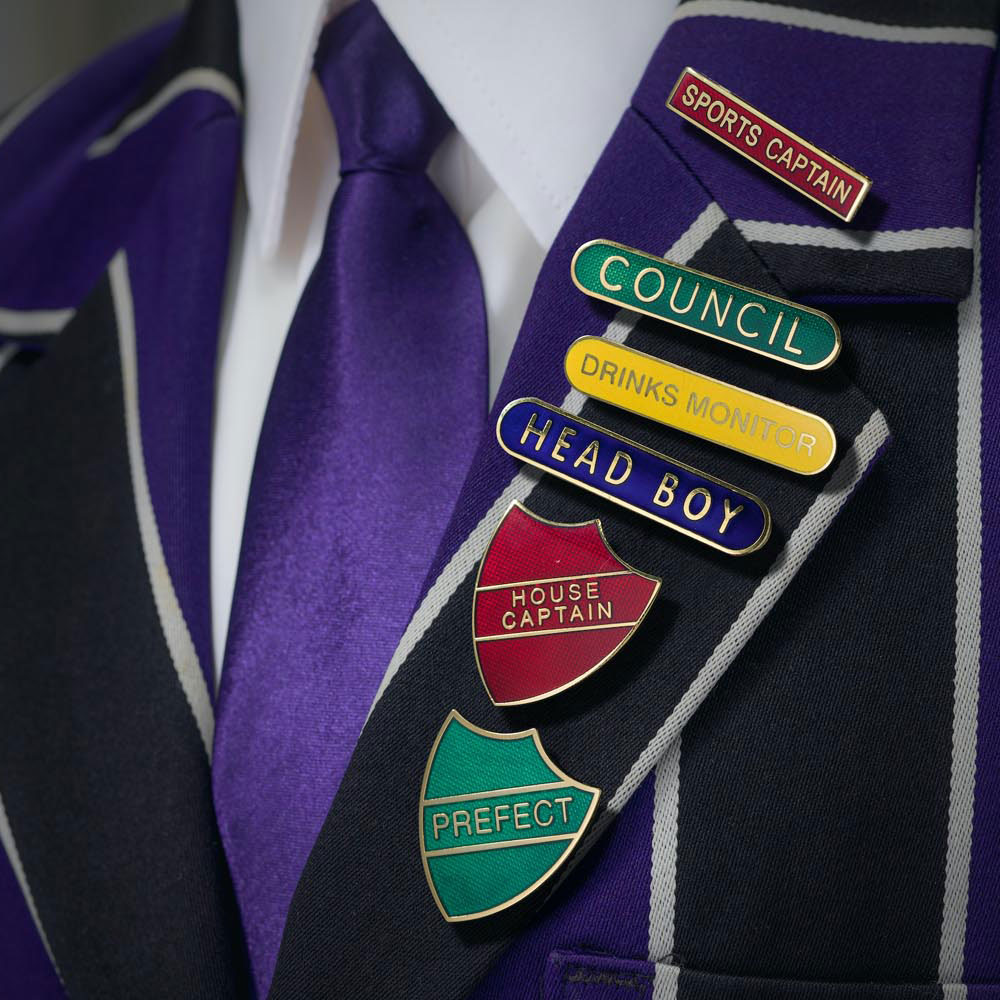
Whether it’s a school crest, a club badge, or a team emblem, patches turn a blazer from generic to meaningful. They help groups look united, and they help individuals feel part of something shared.
What makes a blazer patch an identity marker?
Custom Blazer Patches act like a visual signature. They compress a group’s values, history, and standards into a single symbol that can be recognised instantly.
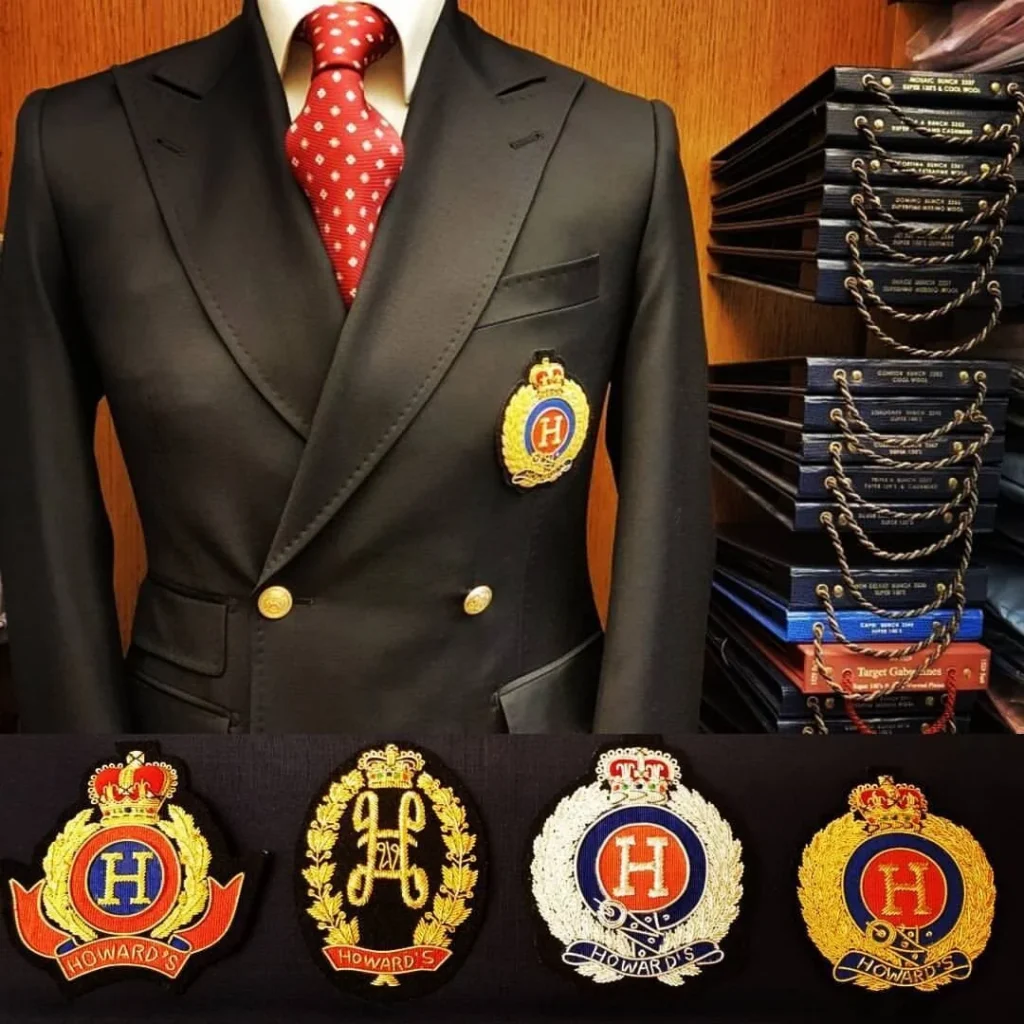
Because it sits prominently on the chest pocket, it becomes a public identifier. That placement makes the message hard to miss and easy to remember.
How do custom patches create a sense of belonging?
They create belonging by giving members a shared symbol. When everyone wears the same crest, it reinforces the idea that they are connected, even if they don’t know each other personally.
That shared look also reduces social friction. It tells others, “they’re one of ours”, which can strengthen community at events, matches, meetings, and ceremonies.
Why do people trust uniforms and crests so quickly?
People read symbols faster than they read words. A crest or badge carries implied structure, such as membership rules, selection standards, or a code of conduct.
That is why a blazer with a recognised patch can feel more formal and credible. It suggests the wearer is part of an organised group with shared expectations.
How do patches help groups stand out in public settings?
They make a group recognisable at a glance. In crowded environments like competitions, conferences, or public ceremonies, a consistent patch helps members find each other and look coordinated.
It also helps outsiders identify the group without needing introductions. That visibility matters for teams, societies, and institutions that rely on reputation and presence.
What role do blazer patches play in tradition and heritage?
They preserve continuity. Many patches carry long-standing colours, mottos, dates, or icons that link current members to those who came before.
That connection can matter more than the design itself. Wearing the patch becomes a quiet way of respecting the institution’s story and reinforcing its ongoing identity.
How do patches reinforce hierarchy and achievement?
They can signal level, role, or accomplishment through subtle variations. Borders, thread colours, additional elements, or companion badges can indicate leadership positions or awards.
This makes recognition more visible and more motivating. It allows achievement to be acknowledged in a way that feels official, consistent, and easy for others to understand.
Why does customisation matter more than a generic badge?
Customisation makes identity specific, not borrowed. A generic badge can look decorative, but a custom patch is tied to a real group, a real place, and a real meaning.
It also prevents confusion with similar organisations. Distinctive design choices help protect the group’s image and make its symbolism truly theirs.
How can design choices shape what the patch communicates?
Colour, shape, and iconography influence how the group is perceived. A traditional shield can suggest heritage and formality, while a modern mark can suggest innovation and energy.
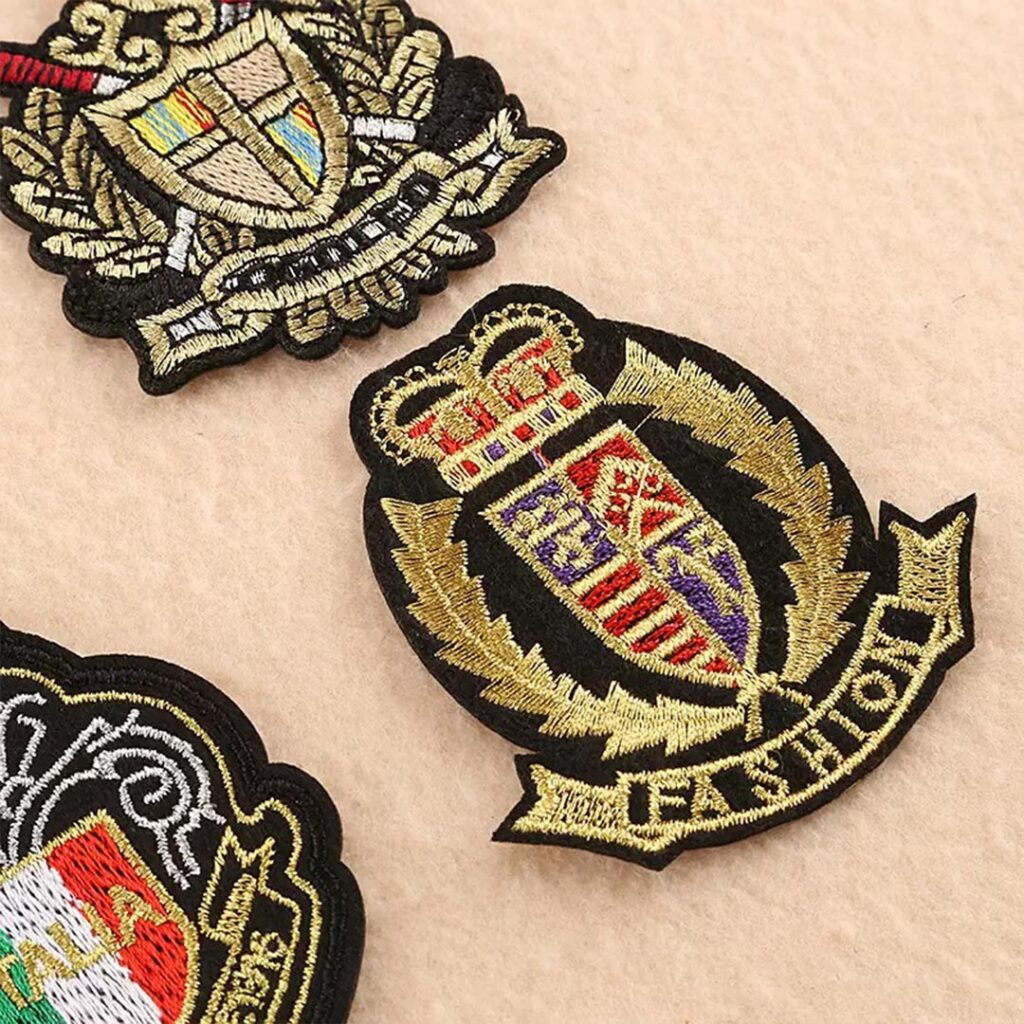
Typography and mottos also shift tone. A Latin motto may feel institutional, while plain English can feel direct and inclusive, depending on the group’s culture. See embroidered badges vs woven badges differences.
What should groups consider to keep identity consistent?
They should treat the patch like a brand asset. That means consistent sizing, placement, colours, and versions across blazers, not casual changes from batch to batch.
They should also define when and how it is worn. Consistent rules around use help protect what the patch stands for and stop it becoming just another accessory.
How does quality affect the identity a patch projects?
Quality signals seriousness. Clean stitching, accurate colours, and durable materials suggest pride and standards, while a poorly made patch can undermine credibility.
It also affects longevity. If the patch frays, fades, or warps quickly, it sends the message that the identity is temporary, even when the group is not.
What is the simplest takeaway for anyone choosing custom blazer patches?
A custom blazer patch reinforces identity by making belonging visible. It helps groups look united, helps individuals feel recognised, and helps traditions stay alive in everyday wear.
If the design is clear, consistent, and well made, the patch becomes more than decoration. It becomes a symbol people carry with them, and others remember.
FAQs (Frequently Asked Questions)
What is the significance of a custom blazer patch in representing identity?
A custom blazer patch serves as a visual signature that encapsulates a group’s values, history, and standards into one instantly recognisable symbol. Positioned prominently on the chest pocket, it acts as a public identifier that signals who someone represents and what they’ve achieved before a word is spoken.
How do custom blazer patches foster a sense of belonging within groups?
Custom patches provide members with a shared symbol, reinforcing the idea of connection even among individuals who may not know each other personally. Wearing the same crest reduces social friction by signalling ‘they’re one of ours,’ thereby strengthening community bonds at events, matches, meetings, and ceremonies.
Why do uniforms and crests like blazer patches inspire trust quickly?
People interpret symbols faster than words; thus, a crest or badge implies structure such as membership rules, selection standards, or codes of conduct. A blazer with a recognised patch feels more formal and credible, suggesting the wearer belongs to an organised group with shared expectations.
In what ways do blazer patches help groups stand out in public settings?
Blazer patches make groups instantly recognisable in crowded environments like competitions or conferences. Consistent patches enable members to identify each other easily and present a coordinated appearance. They also help outsiders recognise the group without introductions, enhancing reputation and presence.
How do blazer patches contribute to tradition and heritage within institutions?
Many patches feature longstanding colours, mottos, dates, or icons linking current members to past generations. Wearing these patches preserves continuity and becomes a subtle way of respecting an institution’s story while reinforcing its ongoing identity.
What role does quality play in the perception of custom blazer patches?
High-quality patches with clean stitching, accurate colours, and durable materials convey pride and high standards. Conversely, poorly made patches can undermine credibility. Quality also ensures longevity; well-crafted patches avoid fraying or fading, signalling that the group’s identity is enduring rather than temporary.